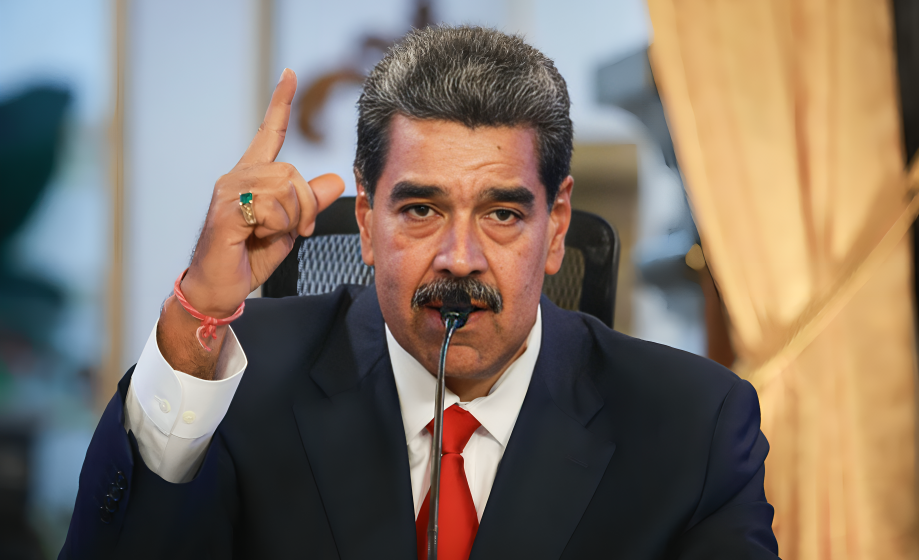

Hey friends, let’s sit down and have a real chat about Nicolas Maduro. You know, that guy who used to run Venezuela and whose name kept popping up in the news for years – sometimes for good reasons, mostly for the tough stuff. I’m not here to lecture or throw around fancy political words. Just a straightforward, down-to-earth talk like we’re grabbing coffee and catching up on what actually happened with Nicolas Maduro.
This article is for anyone who wants the full picture without the complicated stuff. We’ll walk through his life, how he got to the top, the crazy challenges he faced, and that wild moment in early 2026 when everything changed overnight. I’ll keep it honest, human, and easy to read.
Who Was Nicolas Maduro Before Politics?
Picture this: It’s 1962 in Caracas, Venezuela. A baby boy named Nicolas Maduro is born into a regular working-class family. His early life wasn’t glamorous at all. He didn’t finish high school and started working as a bus driver in the busy, noisy streets of the capital. Imagine driving a crowded bus every day, dealing with traffic, passengers complaining, and still finding time to get involved in union work.
Nicolas Maduro learned early what it meant to fight for better pay and conditions for everyday workers. He was the kind of guy who stood up at meetings and spoke from the heart about fairness and helping regular people. That blue-collar background stuck with him. People who knew him back then say he was persistent, not flashy, but someone who really listened to folks struggling to get by. Those years shaped how Nicolas Maduro saw the world – full of inequality, and in need of big changes.
How Nicolas Maduro Rose to Power
Life took a turn for Nicolas Maduro when he met Hugo Chávez. Chávez was this energetic leader promising to fix Venezuela’s problems and help the poor. Nicolas Maduro became one of his most loyal supporters. He worked his way up through the ranks – serving in parliament, becoming a minister, and eventually vice president.
When Chávez got seriously ill and passed away in 2013, he basically pointed to Nicolas Maduro as the one to carry on the work. Nicolas Maduro ran in a special election and won by a very narrow margin. From that moment, Nicolas Maduro was the president of Venezuela. It was a huge jump – from driving buses to sitting in the presidential palace. Supporters saw him as the natural next step in the revolution. Critics said he was just continuing the same path without enough fresh ideas.
The Tough Years Under Nicolas Maduro
Once Nicolas Maduro took charge, things started getting really complicated. Venezuela has huge oil reserves, but when global oil prices dropped sharply around 2014, the money dried up fast. Shops ran out of food and medicine. Prices went through the roof – hyperinflation made everything crazy expensive. Families had to stand in long lines just to buy basic things like rice or milk.
Nicolas Maduro blamed outside forces – sanctions from the United States, sabotage by business owners, and political opponents trying to undermine him. He introduced special food distribution programs and tried to control prices, but many people felt it wasn’t enough. Millions of Venezuelans left the country looking for better opportunities elsewhere. It became one of the biggest migration crises in the region.
Here’s a simple look at some of the key challenges during his time in power:
| Year Range | Main Issue | What Happened | Impact on People |
|---|---|---|---|
| 2014-2016 | Oil price crash | Government income dropped dramatically | Shortages of food and basic goods |
| 2017-2019 | Protests and political tension | Large street demonstrations, some turned violent | Hundreds of deaths reported |
| 2020-2023 | COVID-19 + ongoing crisis | Hospitals struggled with supplies, power blackouts became common | Increased poverty and health problems |
| 2024-2025 | Disputed elections | Nicolas Maduro claimed victory amid fraud allegations | More international isolation |
Nicolas Maduro kept saying he was protecting the country from foreign interference. He strengthened ties with countries like Russia, China, and Cuba. For his supporters, he was a fighter who refused to give in. For others, the situation kept getting harder, and trust in the government faded.
The Dramatic End for Nicolas Maduro in 2026
Then came January 3, 2026 – a day that shocked a lot of people. In a surprise U.S. military operation, forces went into Caracas and took Nicolas Maduro and his wife Cilia Flores into custody. They were quickly flown out of the country and brought to the United States. Now Nicolas Maduro is facing serious charges related to drug trafficking and other allegations in a New York court. He and his wife have pleaded not guilty and are being held in a detention center in Brooklyn.
Back in Venezuela, his vice president Delcy Rodríguez stepped in as acting leader. Some political prisoners were released, and there are talks about new oil deals and gradual changes. But many observers say the old power structures are still there, and real transformation is happening slowly. Three months later, in April 2026, people are still waiting to see if everyday life gets noticeably better.
It feels like the end of an era for Nicolas Maduro. From bus driver to president to facing trial in a foreign country – that’s one heck of a life journey.
What People Think About Nicolas Maduro Today
Opinions about Nicolas Maduro are still very divided. Some remember him as someone who tried to keep social programs going and stood up to powerful countries. Others point to the economic collapse, repression of protests, and the suffering of ordinary families during his years in office.
Internationally, reactions were mixed too. A few governments supported him until the end, while many others welcomed the change after his removal. The story of Nicolas Maduro became a symbol for bigger debates about leadership, sovereignty, and how countries handle deep crises.
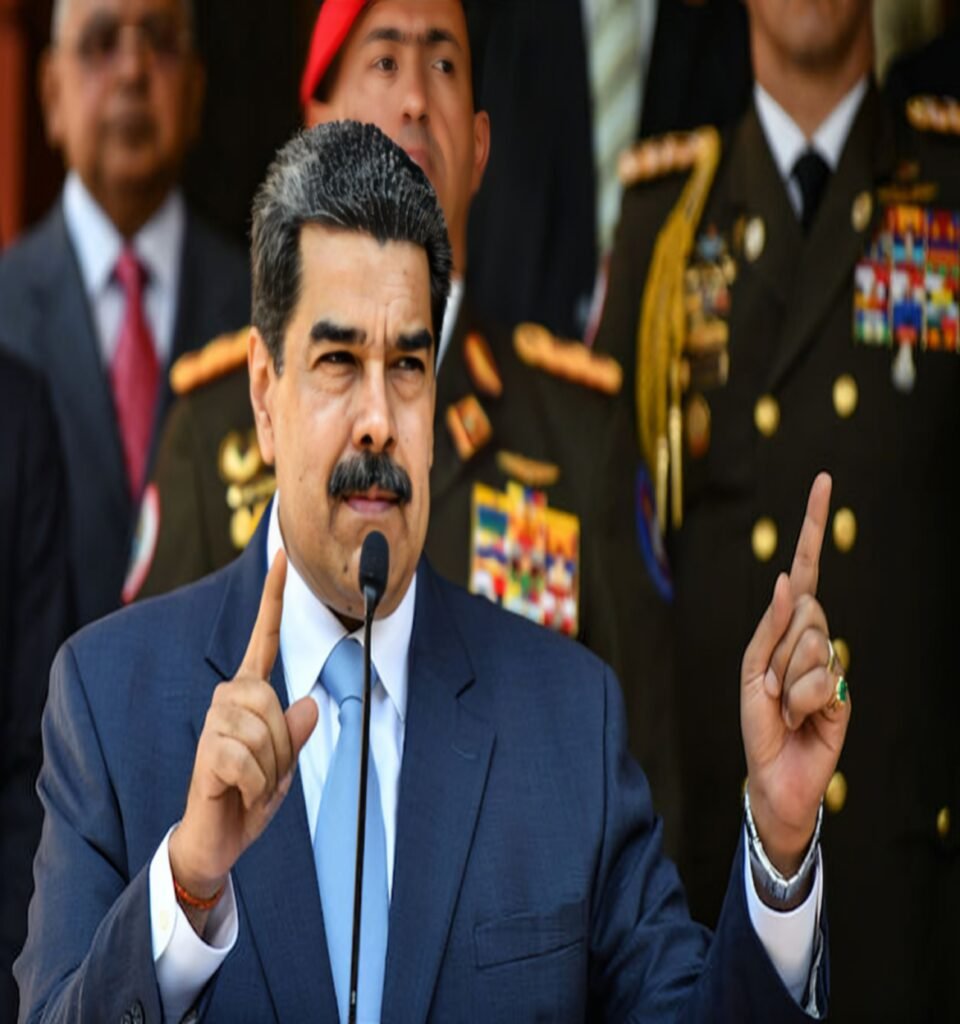
Here’s a quick table summarizing different views on Nicolas Maduro:
| Group | Common View on Nicolas Maduro | Main Reason |
|---|---|---|
| Loyal Supporters | Defender of the poor and national sovereignty | Continued Chávez’s social policies |
| Opposition | Authoritarian leader who caused economic ruin | Shortages, migration, and disputed votes |
| International Critics | Leader accused of human rights issues and corruption | Sanctions and court charges |
| Everyday Citizens | Mixed – some miss stability, many wanted change | Personal experiences of hardship |
Also view: Volodymyr Zelenskyy
FAQS
What is Nicolas Maduro doing right now in 2026?
He is in custody in the United States, appearing in court for the charges against him. His trial is still ongoing, and he maintains his innocence.
Why did so many people leave Venezuela while Nicolas Maduro was president?
The combination of economic collapse, shortages of food and medicine, and political instability pushed millions to seek opportunities in neighboring countries and beyond.
Did Nicolas Maduro win his elections fairly?
That’s one of the most debated topics. Supporters say yes, while opponents and many international observers pointed to irregularities and lack of transparency in several votes.
How is Venezuela doing after Nicolas Maduro was removed?
Changes are happening slowly. Some prisoners have been freed and there are new economic discussions, but many say daily life is still tough and the transition feels incomplete.
What made Nicolas Maduro so controversial?
His strong grip on power, the country’s economic troubles, and his clashes with the United States and opposition groups made him a polarizing figure for over a decade.