
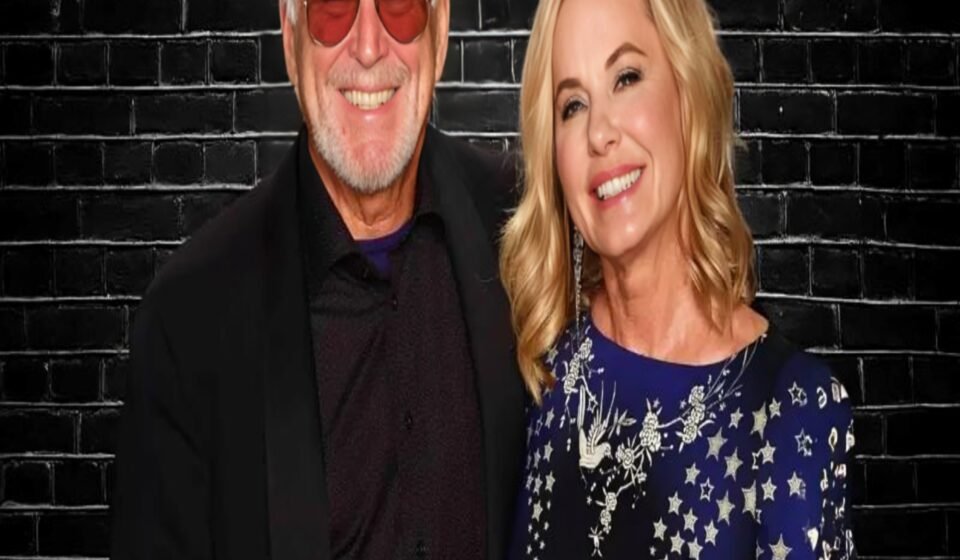

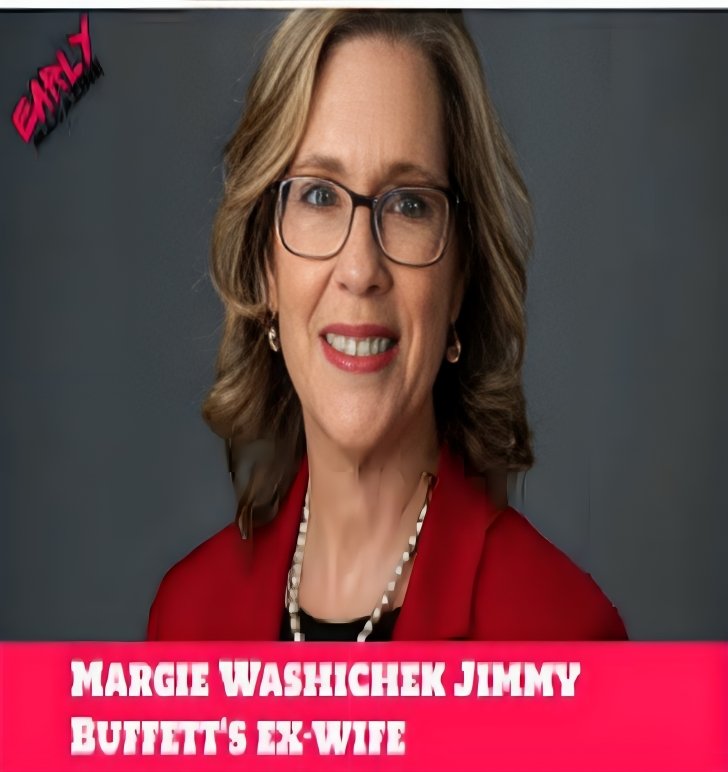
Margie Washichek remains one of the most enigmatic figures connected to the legendary singer-songwriter Jimmy Buffett. While Buffett built a multimillion-dollar empire around his “Margaritaville” lifestyle—complete with hit songs, restaurants, resorts, and a devoted fanbase known as Parrotheads—Washichek stepped quietly into the background after their brief marriage ended in 1972. She has lived a life defined by privacy, dignity, and independence, far removed from the spotlight that illuminated her ex-husband’s career.
This comprehensive article explores Margie Washichek’s early life, her time as a local beauty queen, her marriage to Buffett during his struggling artist years, the reasons their relationship ended, and the private path she forged afterward. Optimized for readers searching “Margie Washichek biography,” “Jimmy Buffett first wife,” “Margie Washichek now,” and related terms, it draws from historical records, contemporary accounts, and Buffett’s own reflections to provide a full, respectful portrait of a woman who supported a rising star but chose not to share in his fame.
Early Life and Southern Roots: From Pascagoula to Mobile
Margie Washichek was born in the mid-to-late 1940s, with many sources estimating December 25, 1946, in Pascagoula, Mississippi—a coastal town known for its shipbuilding industry and tight-knit Southern community. Her family later connected strongly with the Mobile, Alabama area, where she spent much of her formative years. Growing up in the Gulf Coast region during the post-World War II era instilled in her the values of community, resilience, and Southern hospitality that would characterize her public appearances.
Details about her immediate family are scarce due to her lifelong preference for privacy, but she grew up in an environment where education, local traditions, and social involvement were emphasized. The Gulf Coast in the 1950s and 1960s offered a vibrant mix of naval history, music, and pageantry—elements that would soon shape her early public life.
Washichek attended Spring Hill College in Mobile, Alabama, a Jesuit liberal arts institution. She studied English, earning a BA degree. Her academic background equipped her with strong communication skills and a love for literature, which later aligned with her brief foray into supporting a musician’s creative process. College life in the late 1960s placed her in the midst of cultural shifts, including the folk and country music scenes that Jimmy Buffett was navigating.
Beauty Queen and Community Ambassador: Miss USS Alabama 1967
Before her connection to Buffett brought her any wider recognition, Margie Washichek earned local fame as a beauty queen and ambassador. In 1967, at around age 19–20, she was crowned Miss USS Alabama. Selected from finalists in a public ballot that drew thousands of votes at a local mall, the blue-eyed blonde coed became the official hostess for the USS Alabama Battleship Memorial Park in Mobile.
The title was more than ceremonial. As Miss USS Alabama, she welcomed visitors, represented the historic World War II battleship (now a museum), attended community events, and promoted the park. She also participated in the Azalea Trail Court, another local honor that included a scholarship component. Contemporary press photos from 1967 depict a poised, vibrant young woman holding a trophy—capturing the elegance and confidence that defined her early public image.
This chapter highlights Washichek’s poise and community spirit. In the 1960s South, such titles offered young women opportunities for leadership, networking, and personal growth without necessarily leading to Hollywood or modeling careers. She balanced these duties with her studies, embodying the grounded ambition common among Gulf Coast women of her generation.
Meeting Jimmy Buffett: College Sweethearts in the Late 1960s
Margie Washichek met Jimmy Buffett during their college years. Buffett, born in 1946 in Pascagoula, Mississippi (sharing regional roots with Washichek), attended the University of Southern Mississippi. He was already pursuing music, performing folk and country-influenced songs in local venues while juggling odd jobs.
Their relationship blossomed through mutual friends, college social circles, and the Mobile music scene. Accounts describe Washichek making an appointment for her fiancé at a studio or office, indicating an early supportive role. By 1969, they were married in what appears to have been a modest ceremony—far from the lavish events that would later mark Buffett’s life.
At this stage, Buffett was far from the “Margaritaville” icon. He was a struggling artist experimenting with his sound, facing rejections, and moving between the Gulf Coast and Nashville. Washichek stood by him during these uncertain times, providing emotional support as he honed his songwriting and performance skills.
Marriage to Jimmy Buffett (1969–1972): The Formative Years
The couple’s three-year marriage coincided with critical early developments in Buffett’s career. They relocated to Nashville, where Buffett pursued record deals and songwriting opportunities. Washichek reportedly worked in supportive capacities, possibly including secretarial or administrative roles tied to the music industry.
Life was not glamorous. They faced financial struggles, long hours, and the instability inherent in breaking into the music business. Buffett later reflected on this period with a mix of humor and hindsight, acknowledging youthful mistakes in his personal life. In his writings and interviews, he described early marriages and career moves as part of a chaotic but necessary journey toward maturity. He seldom delved deeply into specifics about Washichek, respecting the private nature of that chapter.
Washichek’s role was that of a partner behind the scenes—attending gigs, offering feedback on songs, and maintaining stability amid uncertainty. No children came from the marriage. Their divorce was finalized in 1972, just before Buffett’s career gained significant momentum with albums like A White Sport Coat and a Pink Crustacean (1973) and eventual breakthroughs in the mid-1970s.
Reasons for the split remain private. Like many young couples in the early 1970s—amid shifting social norms, rising divorce rates, and the demands of an artistic career—the pressures proved too great. Buffett moved toward Key West and a new chapter, eventually marrying Jane Slagsvol in 1977, with whom he had three children.
Life After Divorce: Choosing Privacy in a Fame-Driven World
After the divorce, Margie Washichek made a deliberate choice that sets her apart from many connected to celebrities: she stepped entirely out of the public eye. She did not pursue book deals, interviews, or leverage her connection for visibility. This decision reflects strength and self-definition in an era—and continuing today—where proximity to fame often becomes a personal brand.
Public records and secondary sources suggest she may have remarried. Some references point to a connection with Bob Mercer (who had ties to the music industry, including work that intersected with Buffett’s circle) or others, though details vary and remain unverified in major outlets. One notable profile describes a Margie Mercer (née Washichek) who worked in the music business for ASCAP, the Johnny Cash television show, and Capitol Records in Nashville and Los Angeles, focusing on merchandising and artist relations. She later retired and became involved in music education funds, such as the Rising Star Music Fund and Bob Mercer Memorial Fund.
Whether this fully aligns with Jimmy Buffett’s ex-wife or represents a different path, it underscores a life engaged with music and community on her own terms. Washichek largely avoided media scrutiny, living quietly in the South or elsewhere, raising any family she had away from the spotlight. No verified social media presence or recent public appearances exist.
Her net worth remains modest and private, estimated variably but unrelated to Buffett’s substantial estate. She has no known children with Buffett, and any later family details are not publicly documented in depth.
The Cultural Context: 1960s-1970s South, Music, and Changing Norms
To fully understand Margie Washichek’s story, it must be placed in historical context. The late 1960s and early 1970s were a time of tremendous change: the counterculture movement, evolving gender roles, and a booming music industry. Young marriages were common, but so were divorces as expectations shifted. The Gulf Coast and Nashville scenes offered creative energy but also instability.
Pageants like Miss USS Alabama represented traditional Southern femininity blended with community service, while the music world represented rebellion and ambition. Washichek navigated both worlds gracefully before prioritizing personal peace.
Jimmy Buffett’s rise—from struggling songwriter to cultural phenomenon—amplified interest in his origins. Songs like “Margaritaville” (1977) and his business empire turned him into a lifestyle brand. Fans naturally wonder about the people who knew him “before.” Washichek’s silence makes her chapter compelling: she represents the unsung supporters who witness the grind but not the glory.
Legacy and Why Margie Washichek Still Matters
Margie Washichek’s legacy is not one of hits, tours, or wealth but of quiet influence and principled privacy. She was present during Buffett’s most uncertain years, offering support when it mattered most. Her story reminds us that not every partner of
ALSO VIEW: Seargeoh Stallone
FAQS
Who is Margie Washichek
? Margie Washichek is best known as the first wife of legendary singer-songwriter Jimmy Buffett. Born in the late 1940s in the Gulf Coast region (Pascagoula, Mississippi / Mobile, Alabama area), she gained local recognition as Miss USS Alabama in 1967. She married Buffett in 1969 and divorced him in 1972. Since then, she has maintained a very private life away from the public eye.
2. How long was Margie Washichek married to Jimmy Buffett
? Margie Washichek and Jimmy Buffett were married for three years — from 1969 to 1972. Their marriage occurred during the early, struggling phase of Buffett’s music career, before he achieved widespread fame with songs like “Margaritaville.”
3. Did Margie Washichek and Jimmy Buffett have any children?
No, Margie Washichek and Jimmy Buffett did not have any children together. Buffett later had three children (Savannah, Sarah, and Cameron) with his second wife, Jane Slagsvol.
4. What is Margie Washichek doing now?
As of 2026, Margie Washichek continues to live a highly private life. There are no recent public appearances, interviews, or verified social media accounts. She is believed to be in her late 70s and has deliberately stayed out of the spotlight for decades.
5. Why did Margie Washichek and Jimmy Buffett divorce?
The exact reasons for their divorce remain private. Like many young couples in the early 1970s, they faced the pressures of Buffett’s unstable music career, financial struggles, and personal growth challenges. Buffett has described his first marriage as an “immature attempt at being a husband” in his writings, but he has generally respected Margie’s privacy and avoided detailed public commentary.